Biohazard Cleanup
Any property receives disinfection after removal of infectious materials, including bodily fluids and blood.
See biohazard cleanupDo not let people enter a space made unsafe by bodily fluids, blood, sewage or another biological hazard. Ask for clear guidance without delay. If law enforcement or other authorities are involved, the affected area must be released before cleanup starts.
Emergency biohazard cleanup urgently controls and removes biological contamination, then cleans and disinfects the affected space. It applies to human waste, blood, bodily fluids and other material that could cause illness or injury through exposure.
The need may follow a trauma scene, unattended death, crime scene, sewage backup, accident or serious blood spill. An emergency cleanup service focuses first on keeping the contamination from spreading into surrounding areas. Cleanup technicians identify what is affected, isolate the space and plan the safest order of work.
Visible dirt may come off with ordinary cleaning, but biohazard remediation requires more. Workers use protective equipment and carefully remove contaminated material. They clean surfaces, apply an EPA-registered disinfectant for the entire label contact time, package hazardous waste, address odor and complete a final inspection. This work helps the space progress toward clean, normal use.
You hear what will be cleaned, what may need removal and what affects cost before the cleanup process moves forward.
Crews arrive in unmarked vehicles. Privacy around the work zone can be maintained from neighbors, guests and clean sections of your property.
Photos, scope notes and waste records can help you explain the biohazard remediation work to an insurance company or property manager.
At night or during the day, you can share the circumstances and get immediate safety steps as access, scene status and necessary cleanup are considered.
Emergency biohazard cleaning is needed when biological material creates a serious health risk or could spread through a home, vehicle or workplace. Common situations include:
Blood on flooring, furniture or walls can reach seams and porous layers. Prevent anyone from entering, and avoid stepping in the spill.
The scene must be released by law enforcement after evidence collection ends before cleanup starts.
A sewage backup contains Category 3 black water. Flooring, walls and contents may need cleaning, drying or removal.
When a death is discovered later, cleanup may involve removing fluids, treating odor and cautiously sorting belongings close by.
Begin by keeping anyone from making contact or carrying contamination elsewhere. Follow these steps as you arrange for professional cleanup:
Call (888) 351-0904Published guides contain no range specifically for emergency cleanup. General biohazard cost guides put the typical nationwide range at $3,000 to $5,000. For residences, averages run from $1,800 to $4,500 and most home cleanup projects are listed at $2,500 to $8,000. Fixr publishes figures extending from $1,500 to $25,000. Urgency may affect what the final work costs.
These national ranges are taken from published cost guides, rather than a property visit. The price for your property is set after the on-site assessment, and you hear it before work starts.
Ask about cost: (888) 351-0904Some commercial, renters and homeowners insurance may cover cleanup of a biohazard caused by a covered sudden event. Any coverage will depend on the cause and on the policy's limits, deductible and terms.
Report the situation and ask the insurance company whether the claim applies to cleanup, removing materials, treating odor and restoring the space afterward.
Retain the invoices, photos, waste paperwork, cleanup details, release of the scene and claim number. Ask what documentation the adjuster requires before work changes the scene.
Victims of crime can ask the New Hampshire Attorney General's Victims' Compensation Program whether cleanup costs can be included in a compensation claim. Insurance is usually checked first.
A tenant should notify the landlord or property manager. Responsibility can depend on the cause, lease, policy and location of the contamination.
A controlled sequence keeps affected material from being carried into uncontaminated spaces during an emergency response. Although each situation has different needs, cleanup generally moves through the steps below:
Cleanup technicians identify the type of contamination, trace the affected area and note materials, access limits and immediate safety concerns.
The affected work space is contained apart from clean rooms. Protective clothing and equipment are selected for the exposure and tasks.
Crews remove fluids and contaminated material while preventing further transfer. Controlled sections of material are taken out when complete cleaning is not possible.
Crews clear away visible contamination before applying disinfectant. This cleaning step lets the disinfectant reach the surface instead of sitting on debris.
An EPA-registered disinfectant is applied to surfaces that can be cleaned, which remain wet for the entire label contact time.
Contaminated materials and sharp objects are sealed in suitable containers before transport under medical or regulated waste rules.
After source removal, appropriate methods such as air scrubbers may address airborne particles and lingering odor along nearby air routes.
A final check looks for contamination left in the work space. Project details, photographs and waste documentation can help property owners explain the work to insurance companies.
Phone any hour. Your emergency 24/7 biohazard cleanup specialist answers the phone, describes what happens next and works with you on a start time.
Blood, sharps, sewage and body fluids may pose a serious danger to health. A dry appearance or small affected space does not remove that risk.
Sharp needles, broken glass or contaminated absorbent materials may pierce your skin and expose you. Those items must be packaged securely and discarded according to relevant waste rules.
Blood can contain HIV, hepatitis C or hepatitis B. The CDC says hepatitis B can survive on surfaces for at least seven days, so dried blood still requires care.
A sudden biohazard can be upsetting, especially after a death or traumatic event. A person you trust can coordinate access so you do not have to be near the scene.
Can you clean it yourself? On a sealed hard surface, a few fresh blood drops may be cleaned while you wear disposable gloves and keep EPA-registered disinfectant wet throughout the label contact period. Seek professional cleanup when the source is unknown, the spill reached porous material, sharps are present or you cannot see its full boundary.
If a surface is accessible and allows full cleaning and disinfection, it can be kept. A porous item must be removed once contamination has soaked past the point where cleaning will work.
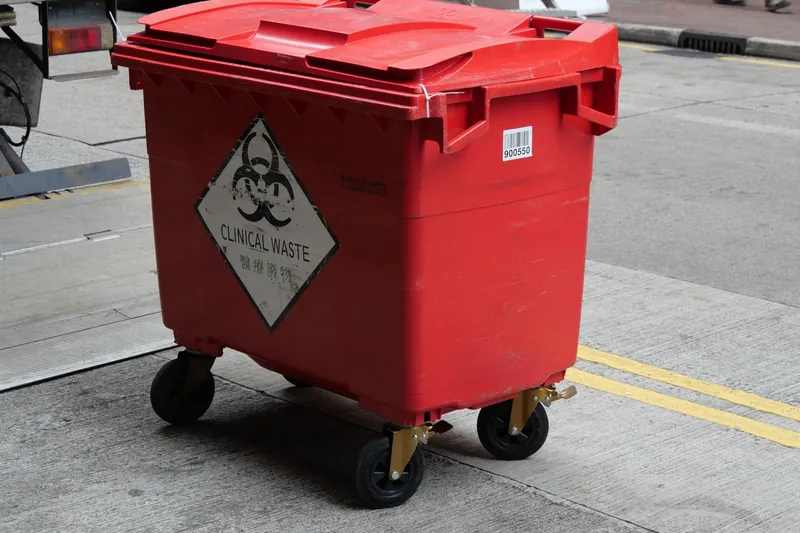
For jobs where blood contact is possible, workplace training, protective equipment, exposure safeguards and related methods are governed by the OSHA Bloodborne Pathogens Standard.
A disinfectant must be suitable for the target pathogen and surface. Surface moisture is maintained for all of the contact time shown on the label.
In New Hampshire, soaked materials that count as infectious waste fall under the Department of Environmental Services solid waste rules. They must go through an authorized vendor, not the normal trash stream, so they cannot go in household trash.
New Hampshire uses a statewide system. The Office of the Chief Medical Examiner, a state office in the Department of Justice, investigates sudden, unexpected or unnatural deaths. Cleanup starts after police or the medical examiner release the scene.
There is no fixed cleanup time. The schedule depends on the type of contamination, the number of affected areas, the materials involved, whether fluids reached hidden layers and when the scene is released.
The full emergency 24/7 biohazard cleanup guide covers what is cleaned or removed, odor and air quality work, and the rules that apply in your state.
Read the full emergency 24/7 biohazard cleanup guidePlanning for access, containment and cleanup can depend on local population, housing and entry conditions.
Only 25.0% of homes in Raymond are renter occupied, so many cleanup decisions may rest directly with resident owners.
The local median home dates to 1978, making a room by room material assessment more useful than one cleaning method everywhere.
A 12.9% share living alone still matters because delayed discovery can increase odor movement and the amount of affected material.
With 68.5% single-family housing, cleanup plans should fit both private homes and units with common halls, walls, or ventilation.
During your call, ask whether cleanup is available in surrounding communities and ZIP codes.
Any property receives disinfection after removal of infectious materials, including bodily fluids and blood.
See biohazard cleanup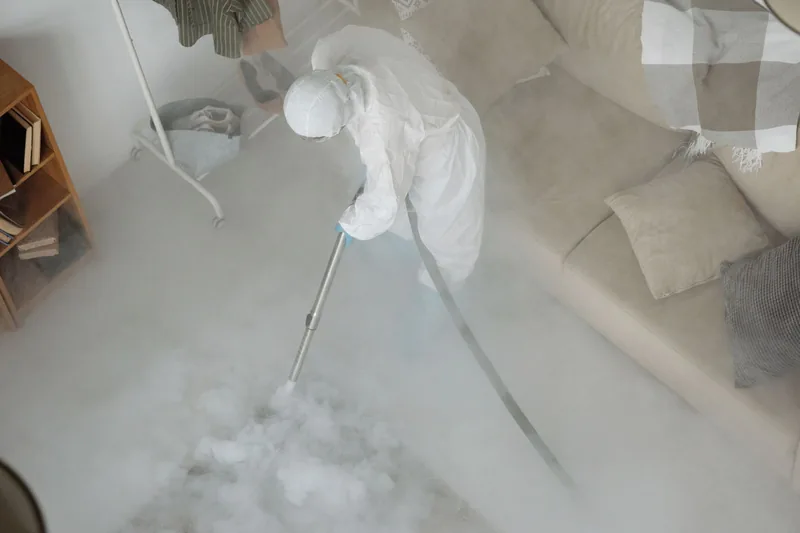
Rooms, surfaces and air receive complete decontamination following infectious or hazardous exposure.
See biohazard decontamination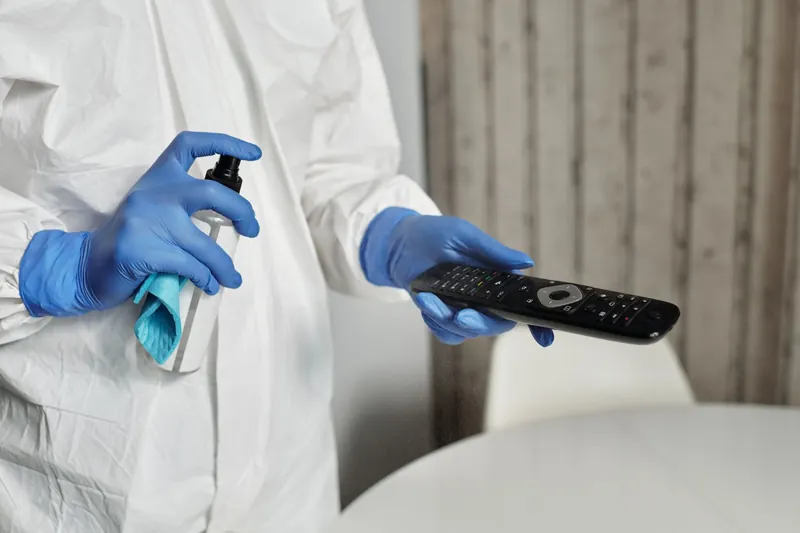
Biological remediation that removes contamination and returns a space to safe use.
See biohazard remediation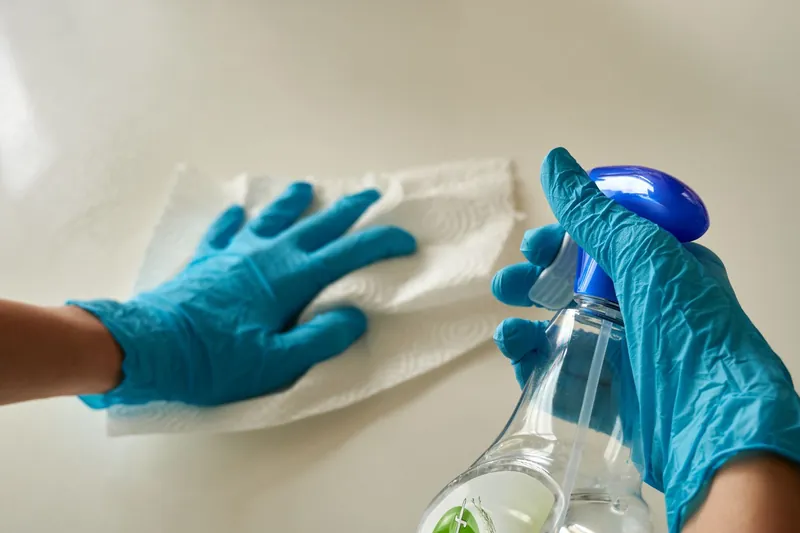
Walls, carpets, furnishings and hard floors receive blood cleanup, with safe disposal afterward.
See blood cleanup
Trauma scene cleanup addresses the aftermath of accidents, injuries and violent incidents.
See trauma scene cleanup
Crime scene cleaning after police release the property, from blood to odor.
See crime scene cleanup
Cleanup after an undiscovered death includes odor control and the effects of days of decomposition.
See unattended death cleanup
Raw sewage cleanup treats Category 3 black water and includes both drying and disinfection.
See raw sewage cleanupThe time depends on the contamination, surfaces, number of rooms and whether fluids reached subfloor, wall cavities or furnishings. A single work period can sometimes cover a minor hard-surface area. Several phases may be necessary before restoration when multiple rooms are involved or absorbent materials and odors need treatment.
Leave the spill area and restrict entry, calling 911 when medical assistance is needed. Avoid contact with blood and sharp objects, do not reenter a controlled scene before law enforcement releases it, use the correct workplace exposure channel and organize cleanup. Do not enter the affected area on foot or begin cleaning it yourself.
Yes. Treat blood that has dried as material that may remain infectious. At least seven days of surface survival is possible for hepatitis B, according to the CDC. Do not scrape, sweep or vacuum dried blood because doing so may distribute the material. For contamination beyond one small surface mark, keep people back and seek proper cleaning.
Urgent disinfection and cleaning after a property is affected by sewage, human waste, blood, bodily fluids or other biological contamination is emergency biohazard cleanup. Containment and disinfection are part of the work, along with odor control, waste disposal and removal of items that cannot be cleaned. Police or other officials must release a controlled scene first.
Coverage may apply. Whether coverage applies is determined by what caused the event, policy terms, exclusions, limits and your deductible. Contact the insurance company and ask about biohazard cleanup, material removal, odor treatment and restoration. Retain your claim number along with photos, official release, project details, invoices and disposal records.
A few fresh drops of your own blood on a hard, non-porous surface may be manageable with gloves and a suitable EPA-registered disinfectant used for its full contact time. Do not attempt cleanup when the source is unknown, sharps are present, porous materials are affected or the spill boundary is unclear.
Crews carry out respectful, discreet emergency 24/7 biohazard cleanup, arrive in unmarked vehicles and take calls 24 hours a day.