Bodily Fluid Cleanup
Bodily fluid cleanup and disinfection for homes, care settings and businesses.
See bodily fluid cleanupGet blood and bodily fluids removed from carpet, hard floors, walls, furniture or vehicles in Marlborough. The affected area is contained, cleaned and disinfected, with unsafe porous materials packaged for disposal.
Blood cleanup means removing blood and bodily fluids under controlled conditions, then cleaning and disinfecting the area. Materials that are unsafe to retain are disposed of.
Liquid from a blood spill can move beyond the mark you see. It may enter grout, carpet, furniture, seams or narrow spaces along a wall. The first part of professional cleaning is identifying every affected place and shielding nearby areas. Trained technicians assess the materials, removing porous items when needed and disinfecting hard surfaces that can stay.
An injury, workplace accident, medical event or another traumatic incident can create a need for biohazard remediation. Because blood may contain bloodborne pathogens, this work is not the same as routine home cleaning. The complete process includes protective equipment, controlled procedures and cautious disposal of waste.
You should hear what will be cleaned, what may need removal and why. Find out how technicians established the affected area boundary prior to accepting the proposed work.
A completed work record, affected-property list and images can help you move forward with repairs after explaining the loss to insurance companies.
Calls are answered during the day and overnight, with crews using unmarked vehicles for privacy. Find out how the crew plans to manage entry near customers, residents or neighboring properties.
Keepsakes and useful belongings should be discussed with you. Items that can be separated safely are not treated as ordinary debris without a discussion.
A household cleaning approach is not safe when blood has spread widely, soaked deeply or formed a large spill. Situations that can call for blood cleanup services include:
An office, warehouse, store or common building with blood contamination needs controlled entry, proper protective gear and a cleanup process appropriate for the affected materials.
After an injury such as a fall or cut, blood can affect walls, floors, furniture and items close by. Cleanup technicians follow footprints and splashes outside the clearly stained area.
A medical emergency at home can affect bedding, carpet, bathroom surfaces or a path through several rooms. A careful check is needed for each affected area.
Contamination from a severe event can extend over multiple types of surfaces. Professional cleanup keeps loved ones from taking on a difficult and potentially unsafe task.
Your first step is to keep people away from the blood and avoid spreading it. Take these actions while arranging a cleanup service:
Call (888) 351-0904Published industry guides list broad costs for blood cleanup, reflecting the difference between a small surface mark and fluid that has reached deeper materials. One guide states a span from $300 to $4,000 and a second shows $500 to $5,000; small blood cleanup carries another published range of $1,500 to $3,000. On-site scope, impacted materials and waste volume determine your final cost.
Published national cost guides are the source for these ranges, rather than an inspection of your property. You learn what your property will cost after the on-site assessment and before any work begins.
Ask about cost: (888) 351-0904Blood cleanup may qualify for payment under homeowners, auto, renters or commercial insurance if the event is covered. The circumstances, deductible and language of your policy determine the claim.
The Massachusetts Office for Victim Assistance runs a Victim Compensation Program that lists crime scene cleanup among covered expenses for victims of violent crime. Insurance is usually checked first.
For affected workplaces and rental properties, an owner, manager or landlord might organize the cleaning. Who pays varies with the situation, policy and lease.
Contact your insurance company after the event and confirm whether the policy covers biohazard cleanup plus removal of contaminated building materials. Save your claim reference and the adjuster's contact information.
Find out which images, lists of affected belongings and cleaning records your insurance company requires. Unless affected property creates an immediate hazard, retain it until the insurance adjuster advises you, and keep all related receipts.
Professional blood cleanup follows a controlled order so clean rooms are protected while the affected area is treated. Every step depends on the amount of blood and the materials it reached.
Cleanup technicians inspect the visible stain, nearby surfaces and possible travel paths. Prior to cleaning, the remediation process defines the work area through photographs and notes.
The work area is separated from clean space. The crew selects protective gear and maps a route that keeps tools and packaged waste away from clean areas.
Carpet pad, upholstery foam, unfinished wood or drywall is removed when blood has soaked too deeply for full surface disinfection.
The surface is cleaned of obvious soil prior to disinfectant treatment. Cleaning extends beyond the middle of the mark to cover joints, borders, hardware and surrounding high-touch areas.
Technicians use an EPA-registered disinfectant on materials suitable for treatment. The labeled contact time is followed by maintaining moisture on the surface throughout that period.
Applicable waste rules for the location and project determine how taken-out materials are sealed, identified and carried away for disposal.
Technicians first inspect for the odor source, then consider air treatment. During removal of contaminated material, HEPA filtration can help manage airborne particles.
You receive documentation of the completed scope for your own files or insurer after the space is reviewed and cleanup equipment is removed safely.

Call at any time. You speak with a blood cleanup specialist who outlines the process and schedules a start time with you.
A visible blood mark can hide how deeply the liquid entered porous surfaces or material layers, and the blood can carry pathogens.
Bloodborne pathogens assessed during professional cleanup include hepatitis C, hepatitis B and HIV. According to the CDC, hepatitis B can survive on a surface for at least seven days, which means dry blood must still be treated carefully.
Cleaning after a serious injury or traumatic event can be distressing. Leaving the work to cleanup crews can protect your health and reduce that burden.
Materials saturated with blood must be contained safely and discarded according to your state's applicable requirements. Using regular uncovered trash and loosely closed bags can put others at risk of contact.
Can you clean it yourself? A few drops on an intact, non-porous surface may be manageable with disposable gloves and an EPA-registered disinfectant used for its full label contact time. Seek professional cleanup when you cannot tell how far blood spread, when sharp objects are nearby, or when it reached carpet, upholstery, unsealed wood or a wall cavity.
Blood cleanup can last several hours for a surface spill that remains contained. Work may extend to one or more days when blood has entered furniture, carpet padding or walls, or affected several rooms. An inspection must happen before the schedule can be estimated.
| Scene | Typical time on site |
|---|---|
| One intact surface with a small spill | Often completed within several hours after assessment |
| One room or blood affecting carpet and furnishings | Completion may extend beyond one full workday |
| Material removal across several affected areas | May take one or more days, plus later restoration |
Removing the source is the starting point for odor control. A fragrance will not fix blood that remains beneath furniture foam, inside wall cavities, along subfloor gaps or under carpet padding. Inspection must cover those spaces, and anything that cannot receive complete cleaning may have to be removed.
Air quality steps follow disinfection and removal of the odor source. They may include HEPA filtration along with cleaning of adjacent surfaces that collected particles. Strong odor treatment is not considered until all contaminated materials are out. You should receive an explanation of the equipment, whether the space needs to stay empty and when normal use can resume.
The OSHA Bloodborne Pathogens Standard, 29 CFR 1910.1030, sets requirements for worker exposure controls, protective equipment, training and related practices.
The product selected to disinfect blood must have EPA registration for that use. Every labeled direction applies, especially how long the treated area must remain wet.
Massachusetts calls this medical or biological waste, and it includes materials saturated with blood. Department of Public Health rules control its storage, treatment, disposal and transportation, so it must be treated first and cannot go in household trash.
Massachusetts uses a statewide system. The Office of the Chief Medical Examiner, under the Executive Office of Public Safety and Security, investigates violent, suspicious or unexplained deaths. Cleanup starts after police or the medical examiner release the scene.
The full blood cleanup guide covers what is cleaned or removed, odor and air quality work, and the rules that apply in Massachusetts and Middlesex County.
Read the full blood cleanup guide
Local housing, population and access details can shape containment, access and cleanup planning.
The 44.0% rental share makes it important to identify the decision maker before porous building materials are removed.
Because the median home dates to 1974, cleanup plans should distinguish washable surfaces from absorbent carpet, padding, and wallboard.
In Marlborough, 2,229 older adults live alone, making privacy important when relatives, landlords, or building staff become involved.
With 50.9% single-family housing, cleanup plans should fit both private homes and units with common halls, walls, or ventilation.
Your phone conversation can include questions about service in nearby ZIP codes and communities.
Bodily fluid cleanup and disinfection for homes, care settings and businesses.
See bodily fluid cleanup
Blood, body fluids and other infectious materials are removed, followed by property disinfection.
See biohazard cleanup
After police release the property, crime scene cleaning addresses blood and odor.
See crime scene cleanup
Following accidents, violence or injuries, trauma scene cleanup addresses the affected area.
See trauma scene cleanup
Families are spared from facing the scene through discreet and considerate suicide cleanup.
See suicide cleanup
Once the investigation ends, contaminated materials, blood and tissue are cleared during homicide cleanup.
See homicide cleanup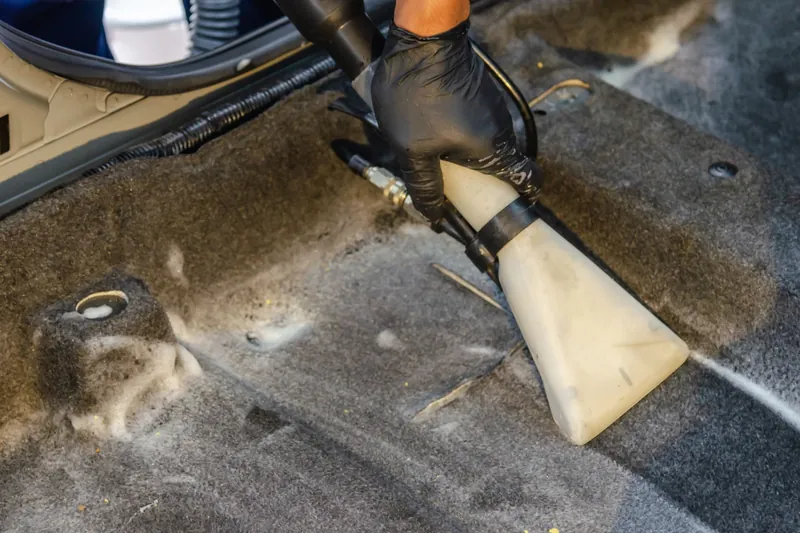
Cleanup treats biohazards on upholstery and carpeting, or removes affected materials safely when needed.
See biohazard carpet and upholstery cleaning
After medical waste removal, disposal takes place through approved treatment facilities.
See medical waste removalKeep contaminated sharps, leaking items and loose materials out of common household waste. You should keep others out and allow cleanup technicians to package the material according to disposal rules in your state and community. How the waste originated, where it occurred, what it contains and how much exists can affect disposal requirements.
Choose single-use gloves, absorbent supplies and an EPA-registered disinfectant whose label covers both the surface and target organism. Every direction matters, including how long the disinfectant stays wet. Do not mix chemicals. Professional cleanup is appropriate for a major spill, contaminated absorbent materials or any area containing sharp objects, so keep out.
Before cleaning, block access and protect your hands with disposable gloves while avoiding splashes or further transfer. For a minor spill on an undamaged solid surface, clean first and apply an EPA-registered disinfectant for the complete contact time on its label. Have a professional assess blood that reached cracks, carpet, timber or furniture fabric.
The amount of contamination and its location determine if remaining is practical. If containment is workable, staying elsewhere inside the property may be possible as long as that section is unaffected. The crew might recommend staying elsewhere until cleanup is complete when blood has spread across common paths, entered multiple rooms or affected the ventilation system.
Survival time varies according to the organism and environmental conditions. The CDC says hepatitis B can survive on surfaces for at least seven days. Never treat dried blood as harmless. Avoid touching it, keep others away and use the same careful cleanup approach used for fresh blood.
Request details on how the crew maps the affected area, evaluates materials for disposal, chooses its disinfecting product and keeps surfaces wet as directed. Also ask how waste is packaged, what records you receive, whether odor treatment is needed and what later restoration work remains your responsibility.
Crews carry out respectful, discreet blood cleanup, arrive in unmarked vehicles and take calls 24 hours a day.