Death Cleanup
After a person dies at home, cleanup addresses fluids, odors and belongings that were affected.
See death cleanupGet blood, body fluids and affected materials removed after a death found quickly, once the room or property has been released to you. Cleaning stays focused on the affected area, with careful attention to personal belongings.
Attended death cleanup is a focused cleanup service after a person dies with someone present or is found soon afterward. It removes blood, bodily fluids and contaminated materials, then cleans and disinfects the affected surfaces so the room can be used again.
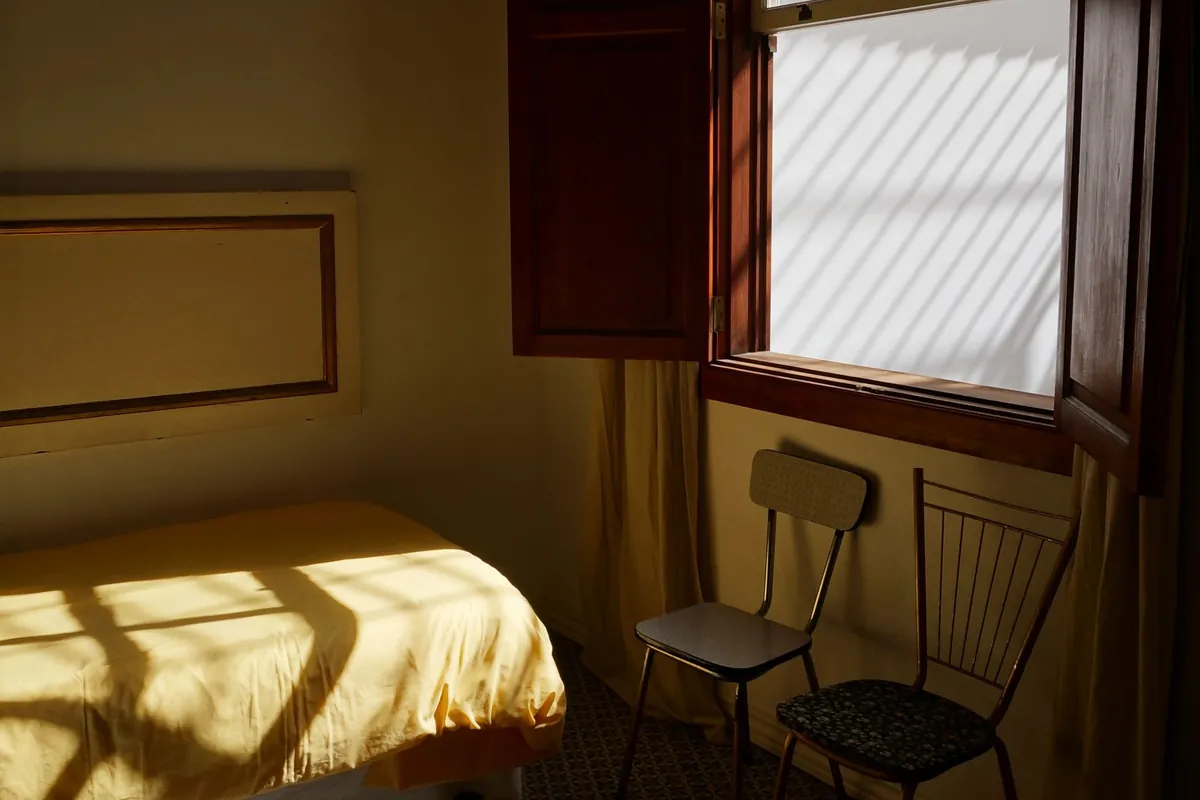
An attended death discovered quickly differs from one left unnoticed for days. Although decomposition might be absent or slight, effects can still reach the bed, bathroom, flooring, a chair and belongings close by. What touched each surface determines the work required. The death itself does not determine that scope.
The emergency response can include law enforcement, paramedics, the medical examiner and a funeral home. Their responsibilities center on the person and their respective duties, which may not include cleaning the property. Following formal release, death cleaners can assess where contamination is present, protect adjacent spaces and distinguish items suitable for cleaning from those needing removal.
This type of cleaning differs from a complete estate cleanout. Biohazard cleanup services deal with contamination and odor in the immediate area. An estate cleanout sorts furniture, clothing and household contents later. Keeping those jobs separate helps you avoid discarding meaningful belongings during a difficult time.
Anything outside the impacted space should be kept protected. Because keepsakes may be deeply important to you and your loved ones, discuss anything near the work space before making an irreversible decision.
You should receive an explanation before cleanup starts that covers impacted rooms and materials, reasons for cleaning or removing each item and possible later restoration.
Unmarked vehicles can reduce attention at the property. Someone you trust may organize entry, as may an estate representative, a family member or you.
Pictures, waste paperwork and a clearly defined scope can support your explanation of the job to an insurance company, landlord, estate contact or restoration contractor. You can use the paperwork to see what was cleaned, removed or left behind.
Attended death cleaning may be needed in shared settings, apartments or homes when a recently found death leaves a biohazard, including blood or body fluids. No two situations have an identical scope. Common cleanup needs are:
When a person is discovered soon afterward, decomposition may not be visible and strong odor may be absent. Professional cleaning may remain appropriate when fabric, unfinished timber, flooring layers or other absorbent surfaces have taken in fluid.
Access may need to be coordinated by a tenant, landlord, relative or property manager. The work can stay inside the affected unit, with corridors and nearby spaces separated from the cleanup zone.
Following a recent event, bodily fluids may remain in grout, mattress seams, carpet edges or baseboard gaps. Inspection is necessary before treating visible-surface wiping as adequate for those areas.
A resident room or bathroom may need cleaning beyond routine housekeeping when blood or body fluids reach porous materials. A site representative should confirm the space is released before cleaning starts.
Protecting others from exposure comes first. Preserve the space and do not enter until an appropriate authority has released it. Use the following steps before cleanup:
Call (888) 351-0904There is no credible published range specifically for attended death cleanup. For context only, public biohazard cleanup guides list common ranges from $1,800 to $4,500; $3,000 to $5,000; and $2,500 to $8,000 per job. These are not attended death cleanup quotes. The actual scope depends on the affected area, surface types, removal needs and waste disposal. The source is named on every card below.
These ranges come from published national cost guides, not from a site visit. An on-site assessment determines your property's price, which is explained to you before the cleanup starts.
Ask about cost: (888) 351-0904Coverage depends on the policy, the cause of the loss and the documentation required by insurance companies. Insurance assistance starts with asking your insurer what the policy covers before assuming that a home, renters, landlord or commercial policy will pay.
The lease, insurance policy, affected area and local rules can determine payment. The estate representative, tenant and owner need to establish responsibility directly, not presume who must pay.
Homeowners or renters insurance, the estate or the property owner usually pays for this kind of cleanup. The Massachusetts crime victim compensation program helps only when a crime caused the loss. Program terms determine eligible applicants and expenses, so get current details directly from the program before making any financial decision.
After notifying the insurer, ask direct questions about biohazard remediation, necessary removal and contaminated personal property. Keep a record of the claim identifier and requested adjuster paperwork.
Insurance companies may request pictures, detailed scope information, documentation of removed materials and waste records. If you need insurance assistance, keep copies of communications and ask which documents are required for your particular policy.
The process for attended death cleanup stays respectful and orderly while limiting work to what is necessary. Remediation follows contamination through the immediate area and into affected layers underneath. As a result, there is a clear purpose behind each step from start to finish.
A technician examines nearby surfaces and affected areas after verifying the release and learning what is known about the event. Photos can document existing conditions and support a clear work scope.
Clean rooms remain separate from the affected area. Cleanup technicians select protective gear, including suitable gloves, clothing, eye protection and respiratory protection, based on the exposure present.
Keepsakes without contamination are placed outside the cleanup area. Items near the affected area are evaluated one at a time so sentimental property is not discarded without discussion.
If fluid has soaked into upholstery, bedding, carpet padding or raw building material, those items may be removed when thorough disinfection is impossible. Removal ends at clean, unaffected material.
Visible material is cleared before disinfecting. For the entire contact time listed on the label, hard surfaces stay wet with an EPA-registered disinfectant.
Areas checked include furniture connections, baseboards, carpet edges, seams and layers beneath a mark you can see. The findings show whether cleaning the surface will work or a small amount of material must be removed.
Applicable rules require sealing contaminated material that has been removed before transport. Records kept for a property representative or insurance company may include photos, the work scope and waste documents.
The work area is inspected after the cleaning process and disinfection. At the end, the property contact receives details on every step and the entire process. The explanation covers cleaned and removed items plus repair or restoration services that may still be needed.
Phone any hour. You speak with an attended death cleanup specialist who outlines the process and schedules a start time with you.
Even when a death is found quickly, infectious material can create substantial health risks where routine home cleaning cannot reach. The fluids involved, impacted surface types and movement of contamination outside the room determine the risk.
Cleaning where a person died may be distressing, and every situation remains personal. If you choose to stay outside the room, someone you trust may coordinate access and discuss the scope and keepsakes.
Fluid can follow seams, settle under a bed frame, enter carpet padding or pass between floorboards. Cleaning only the visible mark can leave contamination below the finished surface.
Linens, padding or building materials that cannot be disinfected may become hazardous waste and need to be packaged and disposed of under applicable medical waste rules. Those materials should be kept apart from ordinary home belongings.
Can you clean it yourself? If there is no blood, body fluid, odor or affected porous material, specialized remediation may not be necessary. If a sealed, non-porous material has only a small amount, avoid contact and follow every direction on an EPA-registered disinfectant label. When fluid has reached absorbent material or the affected edge cannot be seen, choose a professional evaluation for safety.
Both material type and contamination depth determine what happens during professional cleaning. A sealed surface can frequently be cleaned, but an absorbent item may require removal once fluid has soaked into it.
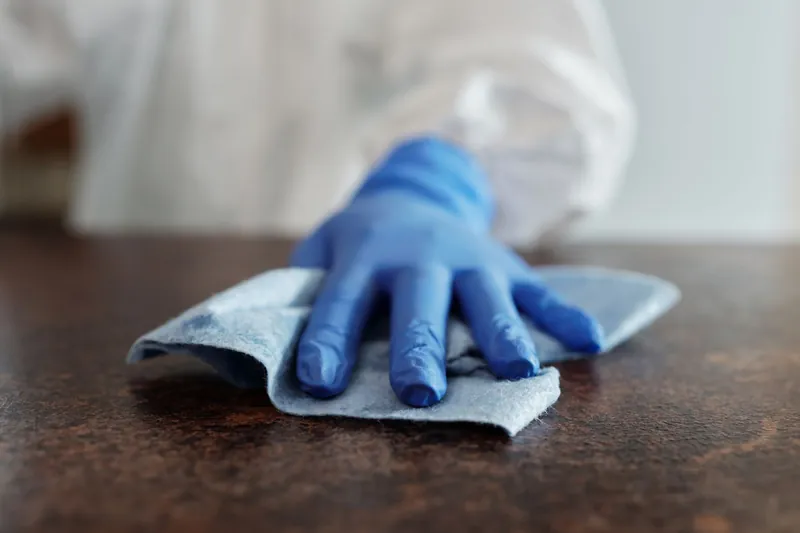
The amount of material involved and depth of fluid travel determine duration. Cleaning one contained surface takes less time than a job that includes raising carpet, evaluating subfloor, sorting personal items or coordinating regulated waste disposal.
| Scene | Typical time on site |
|---|---|
| Limited hard-surface area | Less time when the affected boundary is clear and porous surfaces remain untouched |
| Bed, carpet or furniture affected | More time if underlying layers need opening, assessment and removal |
| Several materials or rooms involved | The most time when belongings, building materials, odor treatment or repair work are included |
Little lasting odor, or none at all, may follow a death that was discovered quickly. When an odor does exist, locating and removing its contaminated source comes first. Fragrance cannot make that source clean. A powerful deodorizer might also conceal whether affected material is still present.
Following removal of the source and cleaning, airborne particles can be captured with HEPA filtration to support air quality. A technician may check HVAC returns, nearby fabric and wall openings when an odor has traveled farther than the immediate area. Any air treatment should reflect what is actually present in the room and must not take the place of removal, cleaning or full disinfectant contact time.
The full attended death cleanup guide covers what is cleaned or removed, odor and air quality work, and the rules that apply in Plymouth County.
Read the full attended death cleanup guideLocal population patterns, housing and site access may affect how containment and cleanup are planned.
In Brockton, 42.6% of homes are renter occupied, so privacy and simple communication matter when a property contact is involved.
In housing built around 1960, a moisture check can help define how far sewage or cleaning water traveled.
Although the share is 27.3%, seniors living alone can still face delayed discovery after an illness, injury, or death.
The local mix includes 50.9% single-family homes, so privacy measures should reflect both detached and multi-unit settings.
Ask on the call about cleanup options for neighboring communities and ZIP codes.
After a person dies at home, cleanup addresses fluids, odors and belongings that were affected.
See death cleanup
When a death remains undiscovered for days, cleanup addresses decomposition and controls odors.
See unattended death cleanup
Decomposition fluids are removed from furniture, flooring and the subfloor beneath it.
See decomposition cleanup
Death odor removal targets the source through ozone treatment, hydroxyl and air scrubbers.
See death odor removal
Following a death, estate cleanout includes sorting possessions and removing them safely.
See estate cleanout after a death
Walls, carpets, furnishings and hard floors receive blood cleanup, with safe disposal afterward.
See blood cleanup
Bodily fluid cleanup removes fluids and disinfects affected areas in businesses, homes and care settings.
See bodily fluid cleanup
Trauma scene cleanup addresses the aftermath of accidents, injuries and violent incidents.
See trauma scene cleanupWhen another person is present for the death or finds the person soon afterward, attended death cleanup refers to the necessary biohazard cleaning. Blood, body fluids and nearby affected surfaces make up the primary cleanup scope. This cleanup normally differs from a death undiscovered for days, where decomposition conditions can become widespread.
Family members should not enter an unreleased room or touch blood and body fluids without proper protection and training. Household cleaning may carry contamination into clean spaces, carpet or laundry. When the affected area has unclear edges or reaches porous surfaces, a professional biohazard assessment may reduce exposure and help avoid incomplete cleanup.
Belongings beyond the affected area can generally stay in place with protection. Each nearby belonging requires separate assessment. Hard, sealed objects may be cleanable, while absorbent items may not be. Tell the cleanup team to reserve jewelry, important papers, photos and meaningful belongings for discussion before removing items.
With an attended death, someone is present or the person is found soon, so contamination is often limited and decomposition may be absent. An extended delay in finding an unattended death can increase effects on the air, household contents and floors. The actual affected materials and bodily fluids determine the inspection needs in both cases, not simply the type of death.
Usually these are separate scopes. Attended death cleanup includes disinfection, blood, body fluids, affected materials and related waste. An estate cleanout sorts and removes the broader contents of a home. When biohazard cleaning comes first, the later assessment of personal property, garments and furniture can proceed with greater safety and order.
No one timeframe applies to every job. When cleanup involves several absorbent layers within a flooring assembly, carpet or bed, more work is needed than for one bounded hard surface. Later repairs, sorting of contents, odor work and regulated waste disposal may each create a distinct phase. An on-site assessment can clarify the anticipated order of work for the specific room.
Discreet, respectful attended death cleanup, 24 hours a day, with crews in unmarked vehicles.